

white dressing table mirror with lights
Understanding Main Water Shut-off Valves A Homeowner’s Guide Main water shut-off valves are crucial components of a home’s plumbing system, serving as the primary control point for the water supply. Understanding their importance, functionality, and maintenance can help homeowners manage water issues effectively and prevent extensive damage to their properties. What is a Main Water Shut-off Valve? The main water shut-off valve is the first point of control in a household plumbing system. It regulates the flow of water from the municipal supply or well into the home’s plumbing infrastructure. Typically located near the foundation of a house, in the basement, or close to where the water line enters the home, this valve is essential during plumbing repairs or emergencies. Importance of Knowing the Location Every homeowner should know where their main water shut-off valve is located. In an emergency, such as a burst pipe or a significant leak, knowing how to quickly access and close this valve can save the home from thousands of dollars in water damage. Depending on the design and layout of the home, the valve may be a gate valve (which turns off water by lifting a gate) or a ball valve (which uses a lever to control water flow). Familiarizing yourself with its type and operation is crucial. How to Operate the Valve main water shut off valves Operating a main water shut-off valve is generally straightforward. For a gate valve, turning the handle clockwise will shut off the water supply, while turning it counterclockwise will turn it back on. For a ball valve, simply turning the handle a quarter turn will do the same. It’s advisable to practice this action when there’s no emergency, as handling a valve can sometimes be stiff or difficult due to rust or age. Regular Maintenance and Inspection To ensure the main water shut-off valve operates effectively, regular maintenance is recommended. Once a year, homeowners should inspect the valve for signs of wear, rust, or leaks. If the valve is difficult to turn, applying a lubricant can help. In areas with hard water, minerals can build up around the valve, making it difficult to operate. Cleaning these deposits when observed is beneficial for long-term functionality. When to Call a Professional If the main shut-off valve is not functioning properly, or if it shows signs of corrosion and damage, it’s wise to contact a plumbing professional. They can provide options for repair or replacement, ensuring your plumbing system remains effective. Furthermore, emergency situations involving extensive leaks should prompt an immediate call to a plumber to prevent further damage and loss. Conclusion The main water shut-off valve is a vital aspect of home plumbing, crucial for managing water flow and preventing extensive damage during emergencies. Homeowners should familiarize themselves with its location, operation, and maintenance needs. By taking proactive steps to manage and care for this important valve, you can protect your home from the unpredictable nature of plumbing emergencies and ensure a safe, functional living environment. Regular checks and knowledge about when to seek professional help are key to maintaining a healthy plumbing system.
about
white dressing table mirror with lights
Understanding the Nail Plate OEM Business In the world of beauty and personal care, nail products have gained immense popularity, with an increasing focus on quality, design, and convenience. However, one area that often remains under the radar is the phenomenon of Nail Plate OEM (Original Equipment Manufacturer). This business model plays a vital role in the production and distribution of nail plates, allowing companies to offer unique and high-quality products without having to invest heavily in manufacturing facilities. In this article, we will explore the intricacies of Nail Plate OEM, its benefits, and its impact on the beauty industry. What is Nail Plate OEM? Nail Plate OEM refers to the process where a company designs and develops products such as artificial nails, nail wraps, or nail stickers and outsources the manufacturing to another company that specializes in producing these items. The OEM partner handles the production process, ensuring that the products meet specific quality standards and branding requirements that the original company outlines. This arrangement allows the original company to focus on marketing and brand development rather than managing complex manufacturing processes. Companies can customize their products, from colors and patterns to shapes and sizes, while the OEM partner takes care of the production logistics, quality control, and regulatory compliance. Advantages of Nail Plate OEM 1. Cost Efficiency One of the primary advantages of the OEM model is cost reduction. By outsourcing production, brands can save on labor, materials, and overhead costs associated with operating a manufacturing facility. This financial freedom enables companies to invest more in research, development, and marketing strategies. 2. Faster Time-to-Market In the highly competitive beauty industry, launching products quickly is crucial. By partnering with an OEM, companies can significantly reduce the time it takes from concept to market. The OEM can begin manufacturing as soon as designs are finalized, enabling brands to respond to trends and consumer demands promptly. 3. Quality Control Established OEM manufacturers typically have extensive experience and specialized knowledge in producing nail products. This expertise allows for better quality control and consistency in production. Brands can rest assured that their products will meet high-quality standards, enhancing their reputation in the marketplace. nail plate oem 4. Customization Nail Plate OEM allows for high levels of customization. Companies can offer a plethora of designs, sizes, and finishes without the need for heavy investment in machinery or resources. This flexibility is invaluable in catering to diverse consumer preferences and trends. 5. Focus on Core Competencies By outsourcing manufacturing, companies are free to concentrate on their core competencies, such as branding, marketing, and customer engagement. This strategic focus can lead to enhanced innovation and a stronger market presence. The Challenges of Nail Plate OEM While the Nail Plate OEM model offers numerous advantages, it is not without challenges. Communication between the brand and the OEM is crucial to ensure that the final product aligns with the brand’s vision. Misunderstandings or lack of clarity can lead to production delays or subpar products. Additionally, companies must carefully select their OEM partners. The wrong choice could compromise quality and affect the brand’s reputation. Brands need to conduct thorough due diligence, assessing the OEM’s capabilities, past performance, and alignment with their values and standards. Conclusion Nail Plate OEM is a powerful strategy in the beauty industry that enables companies to deliver innovative and high-quality nail products to consumers. This model offers significant advantages, including cost efficiency, faster time-to-market, quality control, and design flexibility. However, it also requires careful consideration and management to mitigate potential challenges. As beauty trends continue to evolve, the Nail Plate OEM industry is likely to expand further, offering diverse options for consumers and presenting exciting opportunities for brands looking to make their mark in the competitive cosmetics market. Companies that understand and leverage the benefits of Nail Plate OEM will be well-positioned to thrive in this dynamic industry.
-

High quality industrial productsagement

High quality industrial products
View Details -

Meet the diverse needs of customers

Meet the diverse needs of customers
View Details -

Strict quality control

Strict quality control
View Details -

Top raw materials

Top raw materials
View Details -

Trusted supplier

Trusted supplier
View Details
Our application
news and information
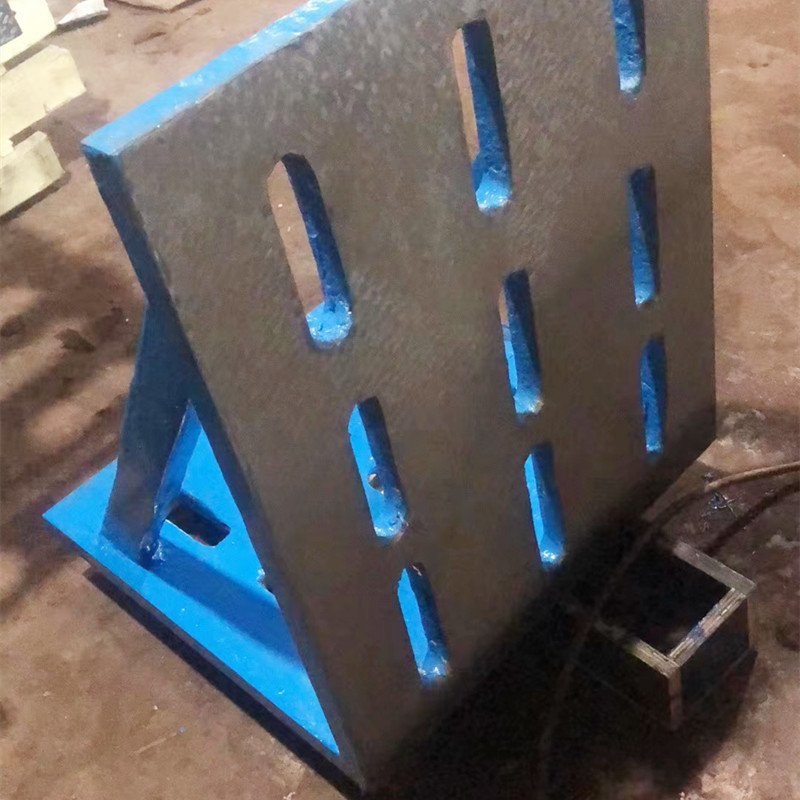
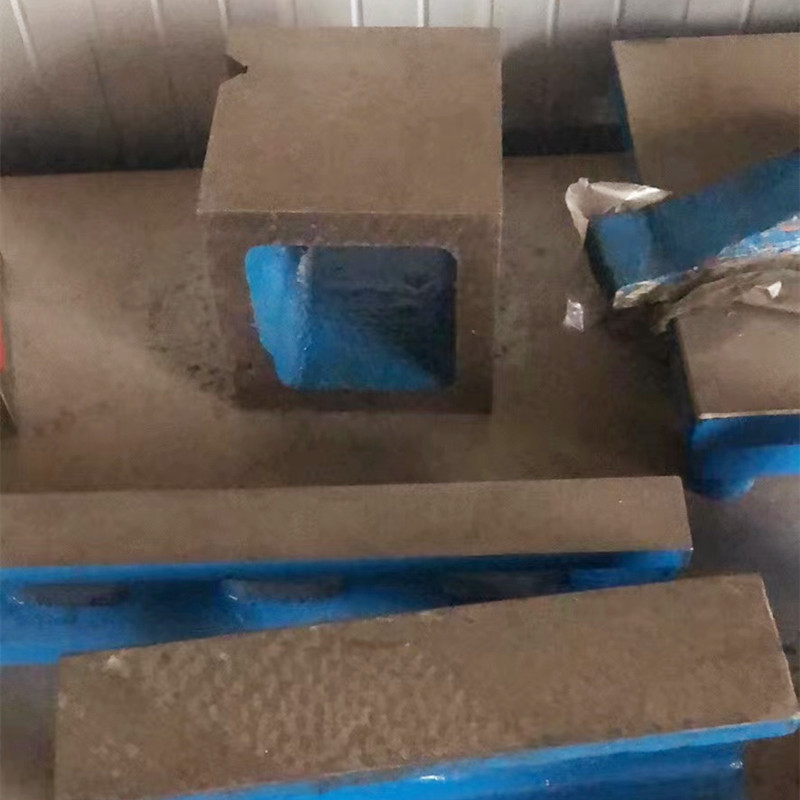
V Blocks Available for Purchase at Competitive Prices
Exploring V Blocks for Sale A Comprehensive Guide In the ever-evolving landscape of technology and
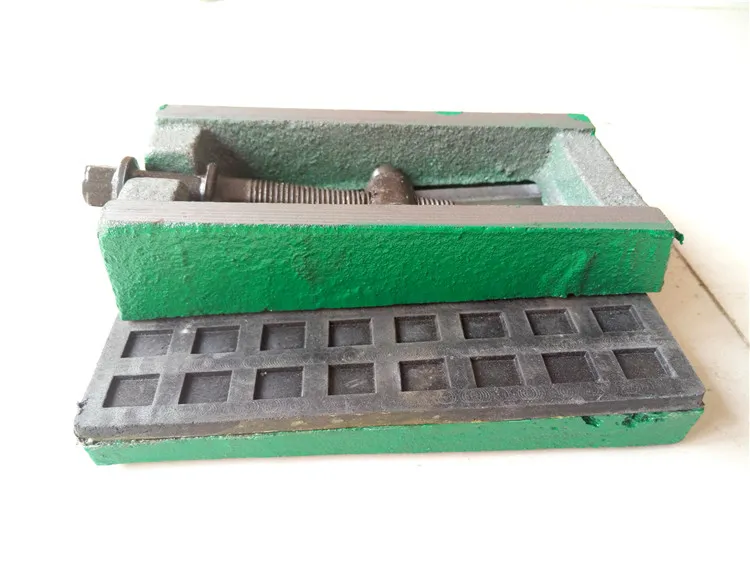
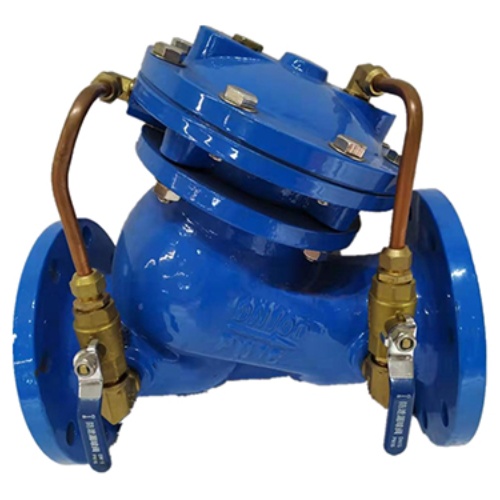
Válvula de retención de 25 mm para sistemas de plomería y fluidos industriales
25mm check valve .
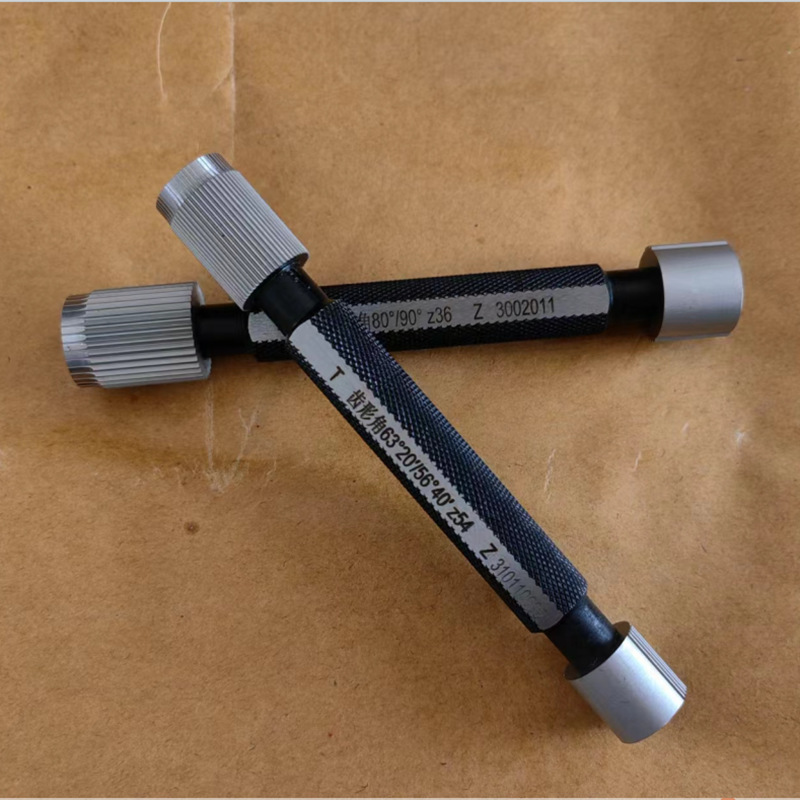
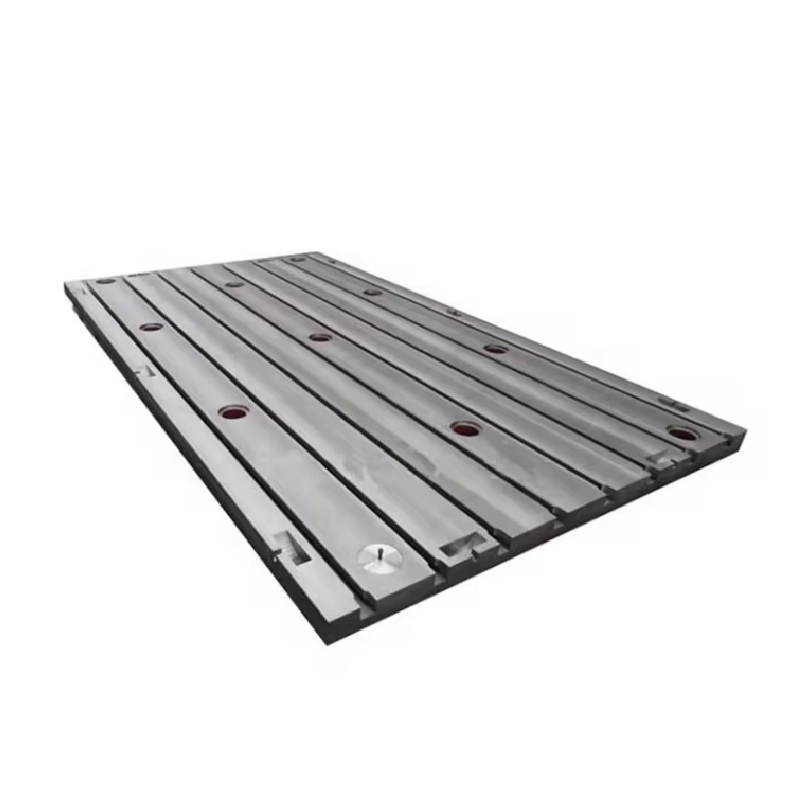
welding table workbench
The Essential Guide to Welding Tables and Workbenches Welding tables and workbenches are vital tools
 English